Source Brushed Aluminum Glass Door Frame for Windows, Doors, and Buildings
Find 30 brushed aluminum glass door frame options from verified manufacturers. Compare profiles in 6000 and 7000 series with anodized or powder-coated finishes. Evaluate specs for windows, doors, and building applications to find the right industrial or decorative solution; compare the available evidence and request quotations based on your requirements.
Key considerations
Products List


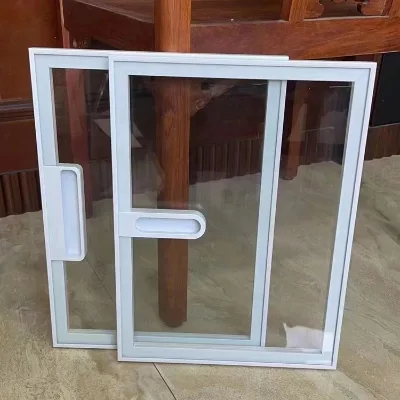
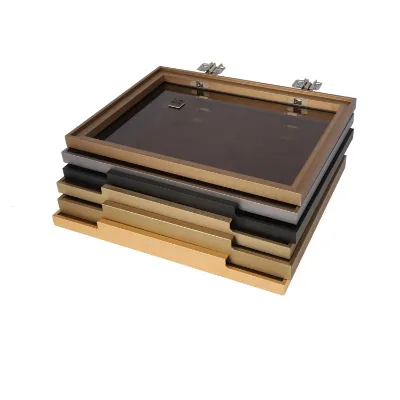


Custom Aluminium Profile Aluminum Windows and Doors Profile Aluminum Frame
$3000.00 - $3500.00
Moq: 500


Comprehensive Sourcing Guide
Brushed Aluminum Glass Door Frame Sourcing Guide
Sourcing brushed aluminum glass door frames requires careful attention to surface finishing processes, as the supplied data indicates a mix of chemical and mechanical polishing options alongside anodic oxidation and powder coating. Buyers must distinguish between profiles intended for industrial use and those designed for window and door applications, as the temper grades and alloy series vary significantly between these categories. The observed product range includes 5000 and 6000 series alloys, which dictate the material's corrosion resistance and structural integrity for different environmental exposures.
Procurement decisions should also account for the specific molding processes available, primarily extrusion, which allows for the creation of complex profiles like the 70 and 90 series mentioned in the listings. While some suppliers offer standard packaging, others provide customized solutions involving PE film, PVC film, or carton boxes to protect the finish during transit. Understanding these variations is essential for ensuring the final product meets the aesthetic and functional requirements of modern building projects without compromising the structural performance of the aluminum frame.
Product Scope and Observed Listing Signals
The market for brushed aluminum glass door frames presents a wide spectrum of product models, ranging from specific industrial profiles to specialized window and door systems. Listings indicate the availability of 6063-T5 and 6005-T5 grades, which are standard for architectural applications requiring high formability and strength. Buyers should verify the specific series, such as the 70 or 90 series, to ensure compatibility with existing glazing systems and structural load requirements for the intended installation.
Commercial signals in the listings reveal a broad price range and minimum order quantity flexibility, suggesting that suppliers cater to both small-scale renovations and large construction projects. The observed monthly production capabilities of up to 4000 tons indicate that major manufacturers can handle significant volume orders, yet buyers must confirm lead times, which typically range from 15 to 20 days after deposit. This variability in production capacity and delivery schedules necessitates early engagement with suppliers to align procurement timelines with project milestones.
Technical Specifications to Verify
Technical verification must begin with the alloy composition and temper, as the data highlights 5000 and 6000 series alloys with T3-T5 temper states suitable for various structural demands. Buyers should confirm the wall thickness, which is observed to range from 0.3mm to 2.0mm, ensuring it meets the specific load-bearing requirements of the glass door assembly. The tolerance levels, noted as +/- 1%, are critical for maintaining the precision required in frame fitting and ensuring a seamless integration with the glass panels.
Surface treatment processes are equally vital, with options including anodizing, powder coating, and mechanical or chemical polishing to achieve the desired brushed aesthetic. The powder coating thickness is typically specified between 50 and 120 micrometers, a range that influences the durability and color consistency of the final finish. Additionally, the length of the profiles, which can be customized from 1.0 to 7.2 meters, must be verified to minimize waste and ensure efficient installation on-site without compromising the structural continuity of the frame.
Compliance and Safety Documentation
Compliance documentation is a cornerstone of reliable procurement, with ISO certification appearing as a standard requirement across many listed products. Buyers should also look for additional certifications such as CCC, CE, and RoHS, which validate the product's adherence to international safety and environmental standards. These documents are essential for ensuring that the aluminum frames meet the regulatory requirements of the destination market and do not pose health or safety risks during installation or use.
Quality standards, specifically GB5237-2008, provide a framework for evaluating the mechanical properties and dimensional accuracy of the aluminum profiles. Suppliers may also reference SGS standards, which offer third-party verification of the product's quality and performance. It is crucial for buyers to request these specific test reports and certification copies before finalizing orders, as they serve as proof that the materials have undergone rigorous testing and meet the necessary industry benchmarks for safety and durability.
Cost Drivers and Commercial Terms
Cost drivers in the brushed aluminum glass door frame market are heavily influenced by the alloy grade, surface finishing complexity, and the extent of customization required. The inclusion of multiple finishing processes like anodizing, powder coating, and wooden finishes can significantly impact the final price, as each adds a layer of processing cost and time. Buyers must evaluate whether the aesthetic benefits of a specific finish justify the additional expense, especially when comparing standard mill finishes against more elaborate treatments.
Commercial terms, including lead times and payment conditions, play a pivotal role in the overall procurement strategy. With lead times averaging around 20 days after deposit, buyers need to factor in potential delays and ensure that their project schedules accommodate these timelines. The minimum order quantities, ranging from 1 to 500 units, offer flexibility but also require careful planning to optimize shipping costs and inventory management. Clear communication regarding these terms is essential to avoid misunderstandings and ensure a smooth transaction.
Supplier Qualification and Quality Control
Supplier qualification involves assessing the manufacturer's production capabilities and quality control systems to ensure consistent product delivery. The observed monthly production capacity of 4000 tons suggests that larger suppliers have the infrastructure to handle high-volume orders, but buyers should also verify their specific experience with brushed aluminum profiles and glass door frames. Checking for a track record of successful projects and customer references can provide valuable insights into the supplier's reliability and ability to meet quality expectations.
Quality control measures should be rigorously applied throughout the production process, from raw material selection to final packaging. The use of standard packaging materials like PE foam and craft paper helps protect the brushed finish during transit, but buyers should confirm that these methods are sufficient for their specific shipping requirements. Implementing a pre-shipment inspection protocol can help identify any defects or deviations from the agreed specifications, ensuring that the delivered products meet the required quality standards before they reach the construction site.
Long-Term Procurement Checks
Long-term procurement checks focus on the durability and maintenance requirements of the brushed aluminum glass door frames over their lifecycle. Buyers should consider the environmental factors that the frames will be exposed to, such as humidity, temperature fluctuations, and UV radiation, which can affect the longevity of the surface finish. Selecting alloys and finishes that are specifically designed to withstand these conditions will ensure that the frames maintain their aesthetic appeal and structural integrity for years to come.
Establishing a relationship with a supplier that offers consistent quality and reliable after-sales support is crucial for long-term success. This includes having access to replacement parts, technical assistance, and warranty services in case of any issues that arise post-installation. Regular audits of the supplier's quality control processes and performance metrics can help maintain high standards and ensure that the procurement strategy remains aligned with the evolving needs of the project and the market.
FAQs
What certifications are available for brushed aluminum glass door frames?
Brushed aluminum glass door frames typically carry ISO certification to ensure quality management standards are met. Some products may also include CCC, CE, or RoHS certifications depending on the manufacturer and target market. These certifications verify that the aluminum alloy profiles and finishing processes comply with international safety and environmental regulations for building materials.
Can brushed aluminum glass door frames be customized for specific projects?
Yes, customization is available for brushed aluminum glass door frames to meet specific architectural requirements. Buyers can request tailored dimensions, surface finishes like anodizing or powder coating, and specific alloy grades such as the 5000 or 6000 series. This flexibility allows for precise integration into modern building designs while maintaining structural integrity and aesthetic appeal.
What is the typical lead time for ordering brushed aluminum glass door frames?
The typical lead time for brushed aluminum glass door frames is approximately 15 to 20 days after the deposit is received. This timeframe allows manufacturers to process the aluminum profiles through extrusion, surface treatment, and packaging. Buyers should account for this duration when planning installation schedules to ensure timely delivery of the customized aluminum components.
Which surface treatments are applied to brushed aluminum glass door frames?
Common surface treatments for brushed aluminum glass door frames include anodizing, powder coating, and mechanical or chemical polishing. These processes enhance corrosion resistance and aesthetic appeal. Some manufacturers also offer wooden finishes or electrophoresis treatments. The choice of surface treatment depends on the desired durability, color consistency, and environmental conditions where the door frames will be installed.
What is the standard wall thickness for brushed aluminum glass door frames?
The standard wall thickness for brushed aluminum glass door frames ranges from 0.3mm to 2.0mm, with specific profiles often using 2.2mm thickness for enhanced durability. This variation allows for different structural requirements based on the size and usage of the door. Thicker profiles provide better stability and soundproofing, making them suitable for high-traffic commercial or residential applications.
How are brushed aluminum glass door frames packaged for shipping?
Brushed aluminum glass door frames are packaged using standard methods including PE film, PVC film, PE foam, craft paper, and carton boxes. This multi-layer packaging protects the surface finish from scratches and damage during transit. The robust packaging ensures that the aluminum profiles arrive in good condition, ready for installation without requiring additional surface restoration or repair.